Singapore Debt Advice: Clear, Calm Guidance for Every Situation
Navigating debt in Singapore can feel overwhelming. Our Singapore debt advice blog breaks down bankruptcy, debt restructuring, and creditor negotiations in plain language — so you can understand your options, know what to expect, and move forward with clarity and confidence.
Plain-language articles to help you understand your options and prepare well.
No articles in this category yet.
Frequently asked questions
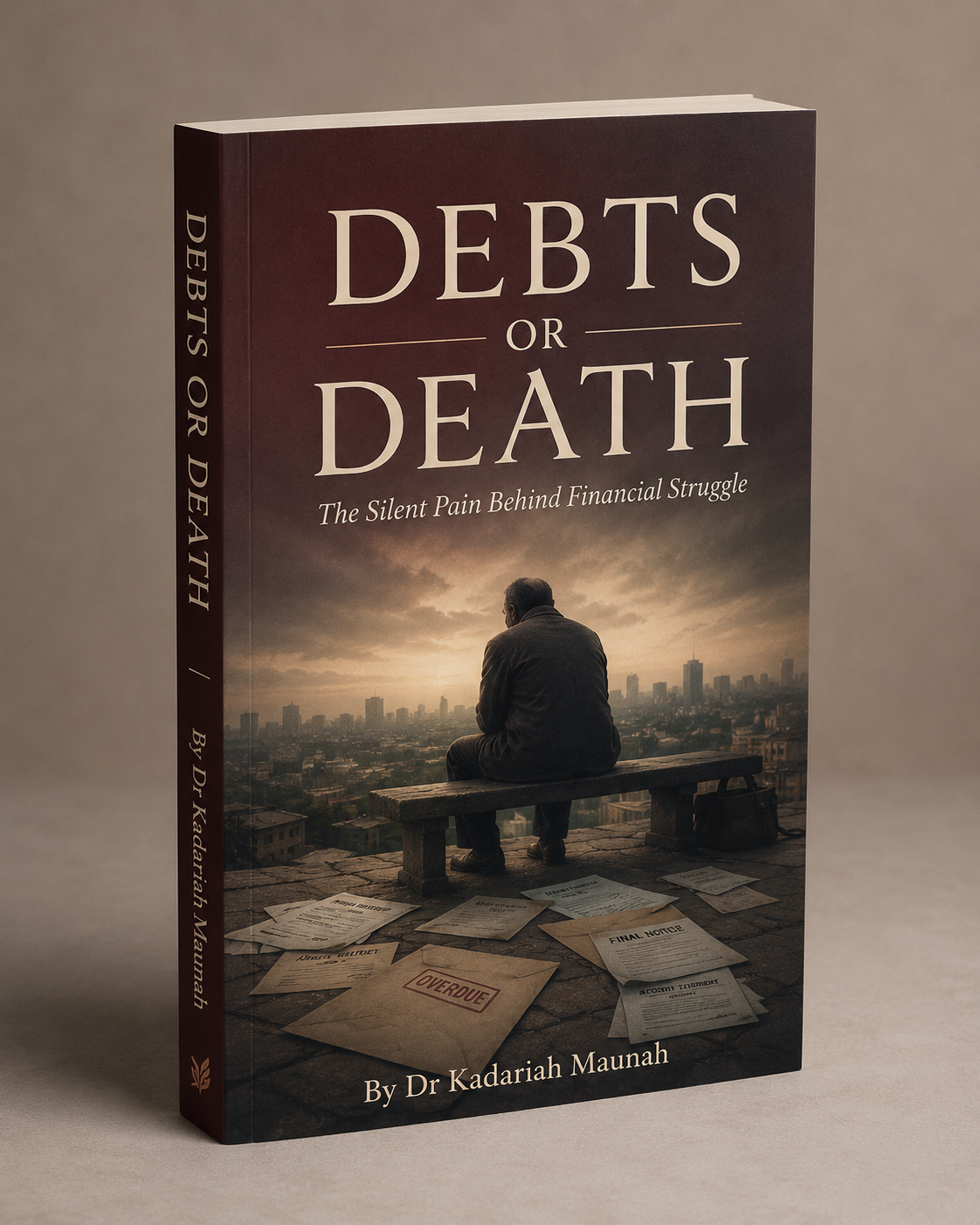
What topics does the Debts or Death blog cover?
The blog covers practical Singapore debt topics including bankruptcy proceedings, Debt Repayment Schemes (DRS), voluntary arrangements, creditor negotiations, and how to prepare for a consultation with a debt adviser. All articles are written in plain language with no legal jargon.
Is the debt advice on this blog suitable for my situation in Singapore?
The articles provide general educational information about debt options available under Singapore law. Every financial situation is different, so we recommend reading the relevant articles first and then booking a confidential consultation to discuss your specific circumstances.
What is the difference between bankruptcy and a Debt Repayment Scheme in Singapore?
Bankruptcy is a legal status declared by the High Court when you cannot repay debts of S$15,000 or more. A Debt Repayment Scheme (DRS) is an alternative administered by the Official Assignee that lets eligible debtors repay creditors over time without being declared bankrupt. Eligibility depends on your income, assets, and debt level.
How do I know if I need a debt consultant or a lawyer in Singapore?
A debt consultant helps you understand your options, organise your finances, and prepare for negotiations or formal proceedings. A lawyer provides legal representation in court. Many people find it helpful to speak with a debt consultant first to clarify their situation before deciding whether legal representation is needed.
Can creditors still contact me if I am exploring debt relief options in Singapore?
Creditor contact rules depend on which debt relief route you pursue. Under formal schemes such as bankruptcy or DRS, certain protections apply. During informal negotiations, creditors may still contact you. A debt consultant can advise you on how to manage creditor communication during this period.
How long does it take to be discharged from bankruptcy in Singapore?
Most first-time bankrupts in Singapore are eligible for discharge after three years if they have cooperated fully with the Official Assignee and met their income contribution obligations. The timeline can vary depending on individual conduct and the complexity of the case.
Will bankruptcy affect my job or HDB flat in Singapore?
Bankruptcy can affect certain professions that require a licence or government approval, and it may impact your ability to hold a directorship. For HDB flats, the Official Assignee will assess your situation — in many cases a family member may be able to retain the flat. Each case is assessed individually.
How do I get started if I am struggling with debt in Singapore?
A good first step is to list all your debts, creditors, and monthly income so you have a clear picture of your position. Then read our articles on the options available, and book a confidential consultation with our team to discuss which path may suit your circumstances.